
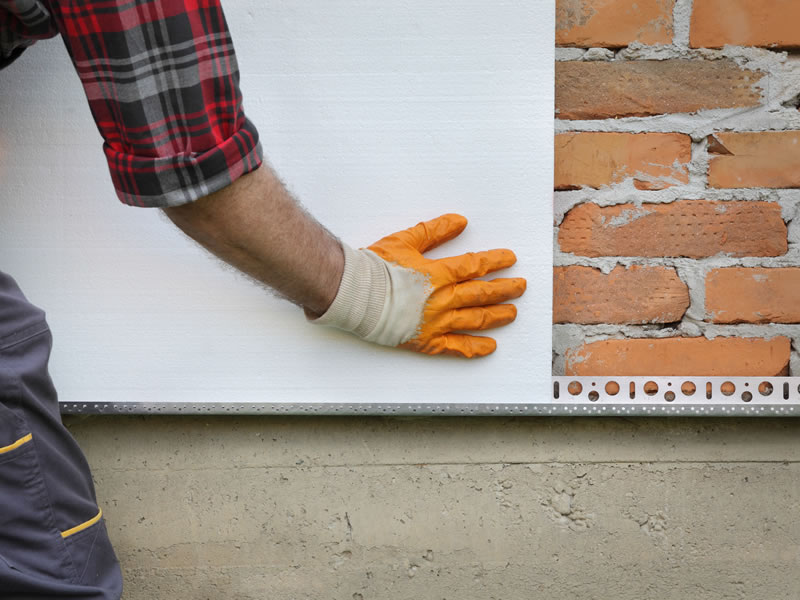
As energy prices continue to climb and sustainability takes center stage, thermal insulation has emerged as a critical solution for property owners seeking cost-effective, eco-friendly upgrades. Whether you’re a homeowner, a landlord, or a business owner, understanding the advantages of thermal insulation can help you make an informed decision. Let’s dive deeper into why insulation is a game-changer for your property.
1. Lower Energy Costs: Immediate and Long-Term Savings
Heating and cooling systems account for a significant portion of energy consumption in residential and commercial properties. Poorly insulated buildings allow heat to escape in the winter and penetrate in the summer, leading to higher energy usage.
Thermal insulation works by creating a barrier that minimizes heat transfer, maintaining a stable indoor temperature. As a result:
- Winter Benefits: Retains heat, reducing the workload on heaters.
- Summer Benefits: Keeps interiors cool, lowering air conditioning costs.
Studies show that properly insulated homes can save up to 30% on energy bills annually. This means that the cost of insulation can often be recouped in just a few years.
2. Boosted Property Value: Appeal to Modern Buyers
Energy efficiency is a growing priority for homebuyers and tenants. Properties with high-performance insulation are more attractive because they promise lower utility bills and a comfortable living environment.
When you invest in insulation, you’re not just saving money—you’re increasing your property’s marketability. Energy-efficient features are now a major selling point, and homes with modern insulation often sell faster and at a premium.
3. Enhanced Comfort: Say Goodbye to Temperature Swings
Few things are as frustrating as a home that’s too hot in one room and too cold in another. Thermal insulation creates a more uniform indoor climate by reducing temperature fluctuations.
- No more drafts: Insulation seals gaps where cold or hot air can sneak in.
- Balanced indoor temperatures: Enjoy consistent comfort, regardless of the weather outside.
This enhanced comfort is particularly valuable in properties located in regions with extreme weather conditions.
4. Environmental Benefits: Play Your Part in Sustainability
In the face of climate change, reducing your carbon footprint has never been more critical. Insulated buildings require less energy for heating and cooling, which directly reduces greenhouse gas emissions.
For eco-conscious property owners, there are additional sustainable options:
- Recycled insulation materials like cellulose or denim.
- Natural insulation options like wool, cork, or hemp.
By investing in thermal insulation, you’re contributing to a greener planet while reducing your dependence on fossil fuels.
5. Noise Reduction: A Quieter, More Peaceful Space
Thermal insulation doesn’t just block heat—it also absorbs sound. Whether it’s the hum of traffic, noisy neighbors, or the buzz of a nearby business, insulation helps reduce external noise.
For commercial spaces, this can create a more focused work environment. For homes, it means peace and quiet, even in bustling neighborhoods.
6. Health Benefits: Better Air Quality and Reduced Condensation
Insulated properties are not only more comfortable but also healthier. Poor insulation can lead to condensation, which fosters mold growth and worsens air quality. By reducing drafts and moisture buildup, insulation helps:
- Minimize the risk of respiratory issues caused by mold or mildew.
- Maintain a drier, healthier indoor environment.
7. Longevity and Durability: A One-Time Investment
Unlike other property upgrades that may require frequent maintenance or replacement, quality insulation is built to last. Most materials, such as fiberglass or spray foam, can remain effective for decades when properly installed.
By investing in thermal insulation, you’re making a one-time improvement that delivers benefits year after year.
8. Compliance with Energy Standards and Incentives
Many regions now enforce strict energy efficiency regulations for new buildings. Upgrading insulation ensures compliance with these standards, avoiding potential penalties or the need for costly retrofits.
Additionally, governments often offer financial incentives to promote energy efficiency, including:
- Tax credits.
- Rebates for insulation materials or installation.
- Subsidies for eco-friendly upgrades.
Check your local programs to see how you can offset the cost of insulation.
Types of Insulation: Choosing the Right Solution
Not all insulation is created equal. Here are some popular options to consider:
- Fiberglass Insulation: Affordable and widely used, ideal for walls and attics.
- Spray Foam Insulation: Provides excellent coverage and seals air leaks effectively.
- Cellulose Insulation: Eco-friendly, made from recycled paper products.
- Rigid Foam Boards: Best for foundations and basements due to moisture resistance.
- Reflective Insulation: Works well in hot climates by reflecting heat.
Each type has its pros and cons, so it’s essential to choose based on your property’s needs and budget.
Conclusion: A Smart Investment for a Sustainable Future
Thermal insulation offers a wide range of benefits that go beyond just saving money on energy bills. It improves property comfort, boosts resale value, supports environmental goals, and even enhances your quality of life.
As energy efficiency becomes increasingly important, now is the time to invest in insulation. Whether you’re upgrading an old property or building a new one, thermal insulation is a long-term solution that delivers unmatched value.
Ready to make your property energy-efficient? Reach out to a professional today to explore your options and start saving!