
When you’re choosing doors or panels for a conservatory or outdoor space, the material inside matters just as much as the finish on the outside. But it’s easy to overlook what you don’t see — especially when two products look nearly identical at first glance.
Expanded Polystyrene (EPS) panels are often marketed as an affordable solution. But while the price might look appealing, the reality is that EPS panels tend to fail when exposed to the moisture, temperature swings, and humidity typical of the UK climate.
That’s why at CorePro, we use XPS — or Extruded Polystyrene — in our high-performance systems. Here’s the difference between the two, and why it matters more than most people realise.
EPS vs XPS: What’s the Real Difference?
EPS and XPS might sound similar — and to the untrained eye, they look similar too. But structurally, they behave in completely different ways.
EPS is an open-cell material. That means it can absorb water over time. In dry conditions, this might not be a problem. But in a conservatory, garden room, or any door panel exposed to condensation or damp, it quickly becomes a liability.
XPS, on the other hand, is a closed-cell material. It’s fully waterproof. It doesn’t swell, doesn’t absorb moisture, and maintains its structure over time — even when humidity is high or temperatures fluctuate seasonally.
What Happens When You Use EPS?
At first, everything looks fine. The door closes properly. The panel is straight. There’s no visible issue.
But here’s what often happens within a year or two:
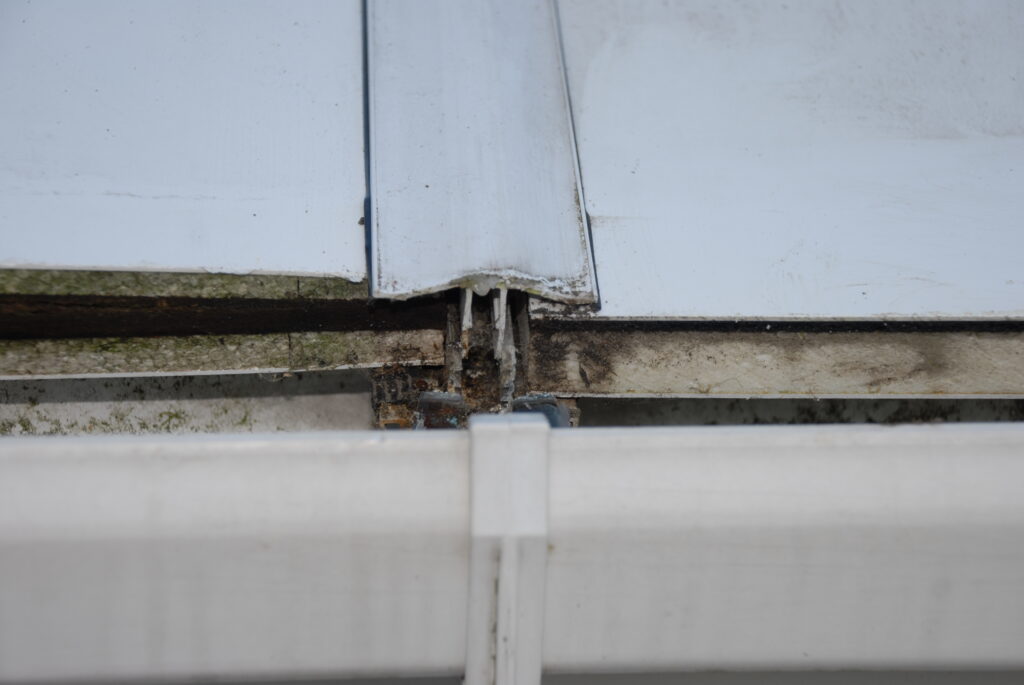
Moisture starts to seep in slowly through the edges or joints.
The EPS core begins to absorb water.
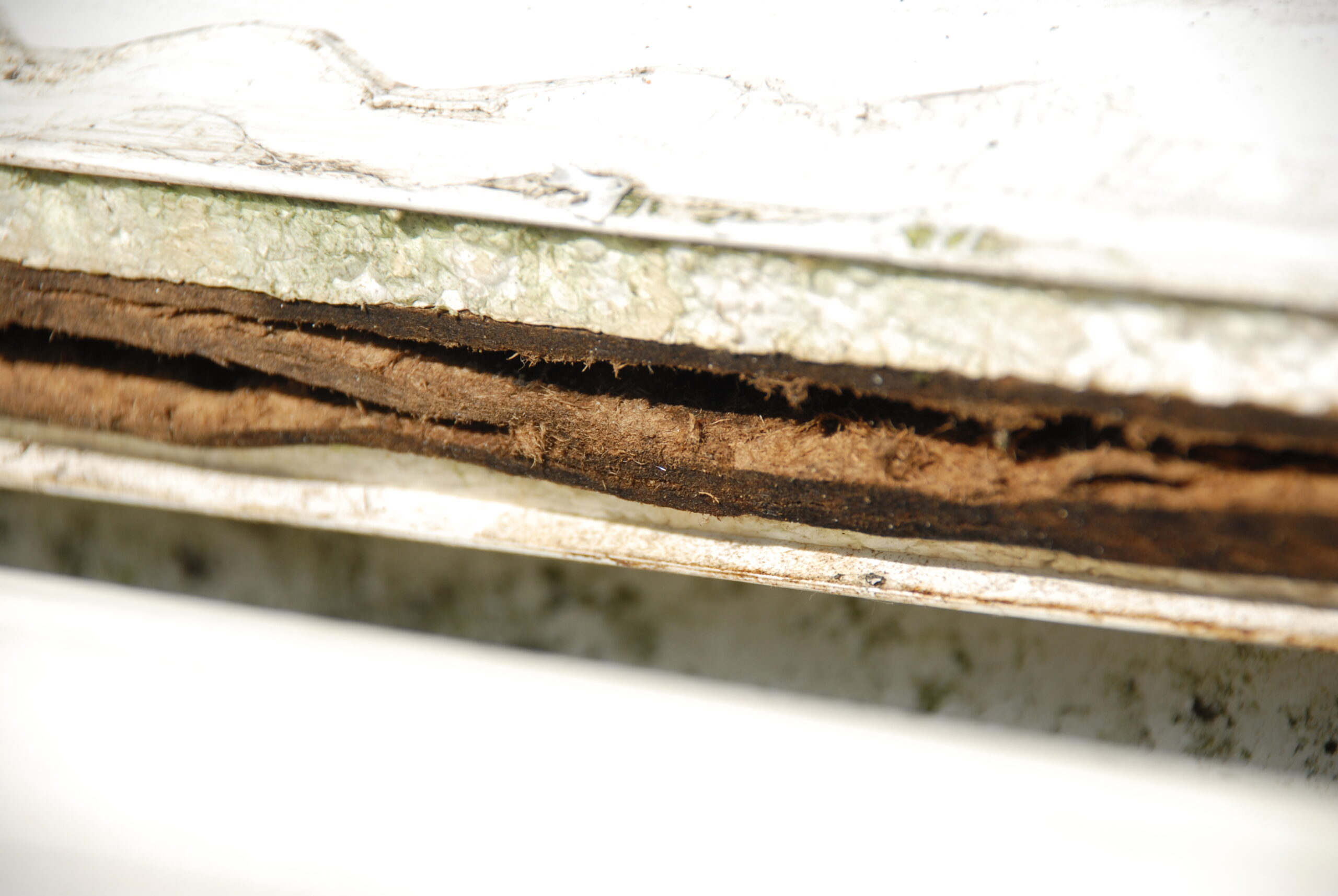
Any MDF used inside the panel (common in cheap options) starts to break down.
The panel swells, warps, and eventually loses structural integrity.
Doors stick, seals fail, and leaks begin to show.
And the worst part? You often don’t realise it until it’s too late to fix.
A Real Case We’ll Never Forget
We once worked with an installer who had consistently good results using premium panels — specifically Stadur, which uses water-resistant, high-performance cores. The panels were durable, weatherproof, and remained stable over time.
But then, trying to cut costs, the installer switched to standard door panels made with EPS and MDF cores. At first, everything seemed fine. The panels installed easily, looked clean, and worked well.
But less than two years later, the issues began.
The EPS had absorbed moisture and swelled internally.
The MDF inserts degraded and became soft.
The door panels warped and started leaking.
Replacements were needed — and not just one or two, but across multiple properties.
Meanwhile, the Stadur panels — installed at the same time, in the same climate — were still in perfect condition.
That installer went straight back to high-performance cores. And they haven’t had to replace a panel since.
Why XPS Makes All the Difference
The closed-cell structure of XPS means it resists moisture entirely. It doesn’t swell, rot, or degrade — and it provides superior insulation, too. That means warmer rooms in winter, cooler conditions in summer, and lower energy use year-round.
In short, XPS gives you:
Better waterproofing
Stronger long-term structure
Less maintenance
More reliable thermal performance
And because it doesn’t absorb water, it holds its shape. Which means your doors keep sealing properly, your panels stay stable, and your space remains dry and usable.
The Hidden Costs of “Cheap” Panels
The trouble with EPS is that its problems don’t show up immediately. By the time you notice the swelling, warping, or leaking, the damage is already done.
That’s when the real costs begin:
Labour to remove and replace the panel
Damage to surrounding frames or plaster
Moisture-related issues inside the room
More time, more expense, and more frustration
Whether you’re a homeowner or a trade professional, EPS can end up being far more expensive than choosing quality in the first place.
If You’re Shopping for Panels, Ask This One Question
What’s inside?
That’s it. Ask the supplier, the manufacturer, or the installer. If the answer is “EPS and MDF,” it’s time to walk away — especially if the panel will be exposed to moisture.
If the answer is XPS, you’re on the right track.
Why CorePro Uses XPS
At CorePro, we don’t believe in short-term savings that lead to long-term problems. That’s why the panel system we produce is made with XPS — because we know it performs.
We’ve seen what happens when cheaper alternatives go wrong. And we know the peace of mind that comes with choosing materials that are genuinely built to last.
Build It Once, Build It Right
EPS might seem like a bargain at first. But in high-moisture environments, it’s a gamble. And the odds aren’t in your favour.
At CorePro, we help homeowners and tradespeople avoid those mistakes by choosing better materials from the start. Our XPS core panels offer long-term stability, insulation, and waterproofing — so you can install with confidence and move on.
Get in touch today to learn more about our composite panel systems and how they’re built to last — inside and out.